
Live music review: Lisbon shared Fado, Patrick Sweany and incredible food
Lisbon, Portugal, is a complex, strange place. It’s somewhere else — a city of hills that murder your legs and drug dealers on every tourist block asking if you want to buy a bag of blow, and then, around the corner, the most amazing views and pastel de nata bubbling out of half the storefronts. The city moves uphill, so by nature it forces you to slow down, to stop, to have a drink, to think, to make your people wait just a moment. The food is incredible and the Portuguese are charming. After my first rip into a bifana pork sandwich among chattering locals who yelled for more beers, Add magical Fado performances and an unexpected Patrick Sweany gig and I realized Lisbon was a place I’d think about for the rest of my life.

I had never experienced anything like Fado. Sitting in a cafe on some back street, the experience felt defining, romantic, and it stuck to my bones. Fado is Portugal’s signature style of melancholic folk music, built around mournful vocals, acoustic guitars, and the feeling of saudade — a deep emotional longing that doesn’t fully translate into English. Born in Lisbon’s taverns and port neighborhoods, Fado sounds like heartbreak slowly learning how to howl at god. It’s what you imagine a sailor’s wife singing out to sea as her husband disappears beyond the horizon. Not a sea shanty, but a call to life, begging for something only the heart can provide.
While walking through the historic Bairro Alto neighborhood, we stumbled into a room where women were giving this call out to something distant, and I was transfixed. Fado isn’t like the Irish folk songs I grew up with. It felt foreign in a way that challenged my sense of rhythm and my understanding of music itself. It made me reflect on my whole trip up to that moment. Going to new places gives us these small checks and balances — walking into the right bookstore, having that sunset drink, or hearing Fado and letting it take your soul somewhere else entirely.

The thing about Fado is that when the music starts, the room goes silent, like ghosts are flying out of the singer’s mouth. The music demands complete attention. The waiters don’t serve; the room waits for the twenty-minute sets to finish before the next drink or plate arrives. There’s an innate respect for these songs, an understanding that they’re more than little ditties about heartbreak.
The two singers we happened upon, Dina Do Carmo and Vanessa Sequeira, were incredible. Do Carmo was an old-school snake charmer who knew how to work the room, pleading to the gods, while Sequeira’s voice boomed with the force of an opera singer. If I had to guess, these women mean more to their country than opera ever could.

Lisbon is strange because it feels like it’s in an open relationship with monetizing its own mourning. This is a historic city that hammers itself into your bones, and Fado is the soundtrack. You’ll walk past 200-year-old tiled buildings and immediately see a crypto coworking space selling €14 cocktails.
Saudade feels impossible to explain until you hear Fado live. It’s nostalgia for something that may have never existed. Missing people while they’re still alive. Wanting moments back while you’re still inside them. It’s a feeling I’ve had my whole life, and hearing Fado was the first time I’d ever heard another culture give it a name.
Maybe I’ve read too much Camus, but I grabbed a copy of Fernando Pessoa’s The Book of Disquiet on that trip, and I’ve let the Lisbon legend’s strange purview overtake me since: “My soul is impatient with itself, as with a bothersome child; its restlessness keeps growing and is forever the same. Everything interests me, but nothing holds me.” That’s saudade too. That’s the whole city.
Here’s the thing I didn’t expect: a few nights later, the same ache showed up speaking English.
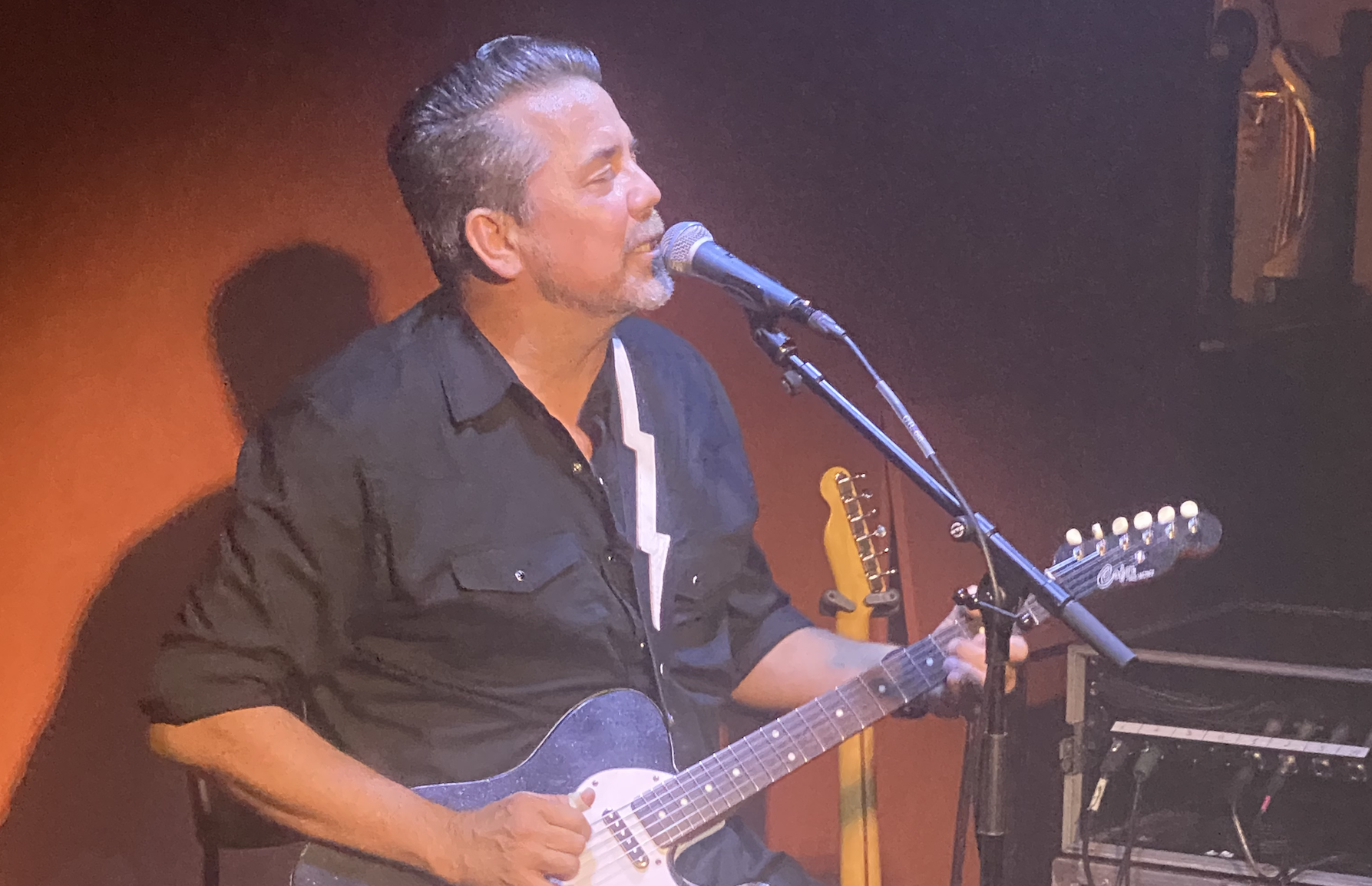
I’ve written some version of “go see Patrick Sweany or else” more times than I can count over the years, and my feelings haven’t changed. While I was traveling around Spain and Portugal, Sweany happened to be stopping through to do a one-man show — so obviously I had to drop in and watch one of America’s best bluesmen give it to the people of Lisbon. Honestly? The performance was better than one of his full-band shows.
 The Lisbon date closed out a four-show Portuguese run at Casa do Capitão on May 24, Sweany’s first documented Lisbon appearance, touring behind his newest record, Baby, It’s Late. It was the kind of grassroots European touring that has long sustained American blues and roots musicians outside the mainstream spotlight, and it was perfect. Having seen him play plenty of times, I found this one singular: no band to feed off, no jam to hide behind. Just Sweany and a guitar. He worked through his catalog in his usual style — telling stories, cracking jokes, doing his best to give the room its twenty euros’ worth.
I was traveling with friends. They came along and loved it. Our time in Lisbon was winding down with Barcelona looming ahead. Looking around, it was a joy to watch heads bob and strangers smile in this odd concrete room a few kilometers from the tourist core. The venue’s restaurant was excellent. Casa do Capitão seemed to be part of an arts complex the city is investing in — the same energy I’d felt at LX Factory earlier that day — and while the space seemed built more for a DJ set under the moon than for American slide guitar, that mismatch was part of the charm.
 As the only Americans in the room, we traded some light banter about the state of our country while the Portuguese onlookers sipped their beers. But in that small space, Sweany’s voice boomed, giving life to people who’d maybe only known his song “Them Shoes,” and I left understanding that whatever mess we’ve got going on back home, there’s still good art creeping up out of it. A guy from Ohio who lives in Nashville, playing to a room of blues heads in Lisbon, with three Americans who just happened to be there to see it.
And that’s the thing that stuck with me. Days earlier I’d sat in a silent room while Portuguese women sang saudade into the dark — the ache for something you can’t name and maybe never had. Then an American bluesman walked into the same city and sang the exact same feeling in a different accent. Fado and the blues, born an ocean apart, both doing the one thing music is really for: giving a name to the longing everybody carries and nobody can explain. Lisbon gave me the word for it. Sweany reminded me we’ve had our own version all along.
Lisbon, I’ll be back.
All photos by Robert Dean. Video by Greg Ackerman


You must be logged in to post a comment.